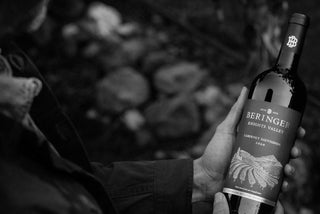

Savor the warmth of our Mulled Blackberry Lavender Wine, made with the utmost craftsmanship. Using the finest ingredients, including the Knights Valley Reserve Cabernet Sauvignon as its base, this aromatic mulled wine weaves together the essence of dark berries, fragrant lavender, and the subtle notes of oak. Embrace the untamed spirit of Knights Valley and elevate your winter gatherings to a whole new level with this mulled wine recipe.

Mulled Blackberry Lavender Wine featuring Knights Valley Reserve Cabernet Sauvignon
Ingredients
- 1 bottle (750 ml) of Knights Valley Reserve Cabernet Sauvignon
- 1/2 cup fresh or frozen blackberries
- 2-3 tablespoons dried culinary lavender buds (adjust to taste)
- 1/2 cup sugar (adjust to taste)
- 1 cinnamon stick
- 4-5 whole cloves
- 2-3 star anise pods
- 1 orange, thinly sliced
- 1 lemon, thinly sliced
- Optional garnishes: extra blackberries, fresh lavender sprigs, orange or lemon slices
Instructions
- In a medium-sized saucepan, combine the blackberries, dried lavender buds, sugar, cinnamon stick, cloves, and star anise pods. Use a muddler or the back of a spoon to gently crush the blackberries and release their juices.
- Pour the entire bottle of wine into the saucepan and place it over low to medium-low heat. Avoid bringing it to a boil, as you don't want to cook off the alcohol. Simmer gently for about 15-20 minutes, allowing the flavors to meld.
- While the wine is simmering, add the orange and lemon slices to the saucepan. Stir occasionally to ensure the sugar dissolves.
- Taste the mulled wine and adjust the sweetness by adding more sugar if needed. You can also adjust the amount of lavender to your preference for a more pronounced lavender flavor.
- Once the mulled wine is heated through and the flavors have melded to your liking, remove it from heat and strain it to remove the solid ingredients. You can use a fine-mesh strainer or cheesecloth to achieve a clear liquid.
- Serve the mulled wine hot in heatproof glasses or mugs. Garnish each serving with extra blackberries, fresh lavender sprigs, and citrus slices if desired.
- Enjoy your blackberry and lavender mulled wine as a cozy and fragrant winter drink!

Knights Valley
The Knights Valley designation was first used on a Beringer label in 1974. Beringer was instrumental in garnering official recognition for the area in 1983 as a premier wine growing region in the form of its own American Viticulture Area (AVA) designation.