
A vertical wine tasting is one of the most revealing ways to understand how wine works. Instead of comparing different wines or regions, a vertical tasting focuses on a single wine across multiple vintages — the same producer, the same vineyards, the same winemaking philosophy, with one variable: the year. What emerges from that comparison is a window into how growing seasons, weather, and time shape what ends up in the glass.
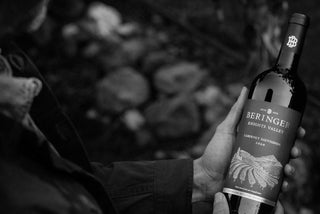
Beringer Private Reserve Cabernet Sauvignon — produced since 1977 and consistently one of Napa Valley's most acclaimed wines — is an ideal subject for this kind of exploration. Here is how to host one.
At a Glance
- Format: Vertical tasting (same wine, multiple vintages)
- Featured Wine: Private Reserve Cabernet Sauvignon
- Ideal Group Size: 4 to 10 guests
- What You'll Need: Multiple vintages, one glass per vintage per guest, pencil and paper, light palate cleansers
- Best Food Pairing: Cheese and charcuterie board after initial tasting
What Is a Vertical Wine Tasting?
A vertical tasting features different vintages from the same wine. Unlike a horizontal tasting (same vintage, different producers), a vertical tasting holds nearly everything constant — grape source, winemaking team, philosophy — and lets the vintage year itself become the subject. Participants taste how a warm, early harvest differs from a cool, extended one. How the wine shows at three years versus ten. How the same wine from the same vineyard can be at once consistent and entirely different.
It works for all levels of wine knowledge. There is no wrong thing to notice, and the structured comparison gives everyone a reference point.
What Vintages to Choose
Select three or more vintages of Private Reserve Cabernet Sauvignon that span a range of ages. A good starting point is one bottle each from three consecutive or near-consecutive years — this keeps the comparison close enough to be meaningful while still revealing how the wine has evolved.
A few strong current options:
- 2022 Private Reserve Cabernet Sauvignon — 97 pts; youngest, most fruit-forward
- 2021 Private Reserve Cabernet Sauvignon — 97 pts; a year of development
- 2020 Private Reserve Cabernet Sauvignon — 97 pts; additional depth and integration
For a tasting that reaches further back, the 2017 (98 pts) and 2016 (99 pts) are among the most decorated vintages in the program's recent history.
 How to Set Up the Tasting
Glassware: Set out one glass per vintage per guest. Label each glass or place a numbered card in front of it to correspond with the pour order. Avoid candles or strong floral centerpieces — competing aromas interfere with the tasting.
Pour order: Start with the youngest vintage on the left and move to the oldest on the right. Tasting younger to older allows you to appreciate how the wine develops with age rather than comparing a complex, evolved wine to a vibrant young one first.
Pour size: Two ounces per glass is the right amount for a tasting — enough to evaluate the wine without filling the glass before the next pour is needed.
 How to Lead the Tasting
- Begin by asking guests to look at the color of each wine before smelling or tasting. Older vintages often show a brick or garnet rim rather than deep purple, which is a visual cue for age.
- Move to aroma. Ask guests to swirl gently and smell each glass without tasting. What do they notice? Fruit? Spice? Earth? Tobacco?
- Taste each wine twice before moving on. The first sip recalibrates the palate; the second is when you start to detect the nuances.
- Use a plain, unflavored cracker between wines as a palate cleanser.
- Provide pencil and paper for notes. You don't need structured tasting sheets — just a simple scale (which do you prefer and why?) generates good conversation.
- After tasting all vintages, add a cheese and charcuterie board. A bite of aged Cheddar or Parmigiano-Reggiano alongside each wine will reveal characteristics the tasting alone doesn't show, and it's a natural transition from structured tasting to a social table.
- Close by reviewing the tasting notes for each vintage together and asking guests to vote for their favorite. Pour a full glass of the winning vintage to finish the evening.
What the Conversation Might Reveal
Vertical tastings tend to surface a few consistent observations: younger vintages feel more vibrant and fruit-forward; older vintages feel more integrated and complex, with primary fruit giving way to secondary flavors like earth, tobacco, and dried fruit. Whether one is "better" than the other is a matter of preference, and that disagreement is where the most interesting conversation happens.
The Private Reserve program's consistency across vintages makes the differences stand out clearly — the winemaking is stable enough that what changes is genuinely the year itself.
Frequently Asked Questions
What is a vertical wine tasting?
A vertical wine tasting compares multiple vintages of the same wine side by side. It is one of the most effective ways to understand how growing seasons and time affect a wine, because the producer, vineyards, and winemaking approach remain constant across the bottles. The only variable is the year.
How many vintages should a vertical tasting include?
Three vintages is a good starting point — enough to create meaningful comparison without overwhelming guests. Five to seven vintages makes for a deeper exploration and is ideal for smaller groups of serious wine enthusiasts.
What food works best at a vertical tasting?
Keep food minimal during the initial tasting to avoid interfering with the wine's aromatics and flavors. Plain crackers between wines are useful for palate cleansing. After completing the tasting, a cheese and charcuterie board is an excellent addition — the food brings out additional characteristics in each wine and transitions the event from structured tasting to social gathering.
What makes Private Reserve Cabernet Sauvignon a good choice for a vertical tasting?
Private Reserve Cabernet Sauvignon has been produced consistently since 1977 using a stable winemaking philosophy: source from the best estate vineyards, vinify each lot separately, and age in French Nevers oak for 20 months before blending. That consistency makes vintage variation more visible and meaningful in a side-by-side comparison. The wine's structure and aging potential also mean that older vintages in the vertical will have developed genuine complexity rather than simply declining.
SHOP PRIVATE RESERVE CABERNET SAUVIGNON
New to wine tasting? Our guide to cellaring wine explains how aging changes a wine's character and which Beringer bottles are worth holding.