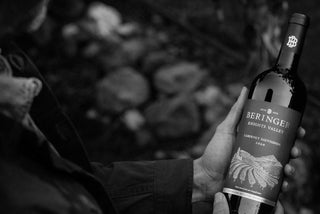

Perfection. It’s what every winemaker strives for. But how do you go about achieving it, especially when you’re working with nature? And how do you even define it? The answers lie in the blend of art, science, and intuition of fine winemaking.
This year, Beringer Vineyards is celebrating our 150th year. Since the beginning, generations of winery and vineyard teams have redefined, over and over again, what it means to be “modern” winemakers, always striving for new ways to perfectly capture the beauty of Napa Valley in each new vintage. It’s a tale of vision and craftsmanship that helped define California wine and forge its esteemed place in the world.
Innovation from the Start

Back in 1876, Jacob and Frederick Beringer would have been considered pretty radical. They were both respected family men who were already well known in their field, but their perspectives on what Napa Valley wine could be and how to go about making it, made them stand out. People had been producing wine in California for over a hundred years by the time the brothers established Beringer Vineyards (or Los Hermanos as it was originally known), but that wine was, for the most part, nothing like the elegant European vintages they grew up with in German’s Rhineland. When they broke ground in St. Helena, they were determined to not only build a new winery in Napa Valley, but to change California winemaking forever.
Going Underground

In Napa Valley, the temperature and humidity swing widely from morning to night and season to season. Although it’s an ideal place to grow and make exceptional wines, these climatic changes can create difficulties in the aging process. But the Beringer brothers devised an ingenious and ambitious solution.
In Europe, wine has traditionally been aged in caves where temperatures remain an even 58–60°F year-round. Based on his work in Germany, Jacob knew he would need a similar facility to achieve the level of quality he aspired to for his own wines. When he selected Beringer’s site, he chose it in part because of the limestone hillside that rises from it. In lieu of a natural cave, he envisioned digging an artificial cave
to his exact specifications. The honeycomb of tunnels in his design would eventually wind their way throughout the hill. Along with providing natural insulation, the porous limestone rock would absorb any moisture in the air that could damage the wine, and beneficial black moss growing on the walls would act as an air filter absorbing any dust.
Making Wine from the Top Down

Along with improving quality, Jacob and Frederick were determined to increase efficiency and meet the growing demand for their wines. With those goals in mind, their original stone winery was a two-story building sited against the side of the limestone hill where the wine caves were under construction. The entire facility was designed to take advantage of the power of gravity throughout the winemaking process. Grapes arrived at the building by horse cart, driven along a lane to the top of the hill. There they were gently fed into the crusher on the roof, with the juice flowing freely down to the oak fermentation vessels below. This method required only a handful of people to complete.
The next step in their winery innovation plan was steam. In 1880, the Beringers added a wooden third story to enclose the crusher along with a boiler. This powered a belt-and-pulley system that moved the grapes from the wagons to the crusher even more quickly, while maintaining gentle handling and quality.
Introducing French Oak

Time and again, our teams have evolved their approaches in the vineyards and in the winery. Some of the things we’ve tried, like fermenting all our wines only in stainless steel, didn’t work out quite the way we expected. But some have become more successful, and influential, than we ever imagined, like our Private Reserve program.
When they first built the winery, Jacob and Frederick Beringer commissioned large American oak casks because, in their experience, having more wood surface in contact with the wine allowed it to “breathe” better while aging. In 1977, we elevated our long-running oak aging tradition, exchanging American oak barrels for those grown and made in the prestigious Nevers, France, region. This was the beginning of the Private Reserve program which aimed to achieve exceptional depth, complexity, and structure. Today, Beringer is the first and only winery to have both a red and a white selected “Wine of the Year” by Wine Spectator—our 1986 Private Reserve Cabernet Sauvignon and 1994 Private Reserve Chardonnay. And aging wine in French oak is now a standard for fine wines throughout California.
The More Things Stay the Same

As winegrowers and winemakers, nature is our partner. And one thing we’ve learned over the last 150 years, is that if we take care of her, she’ll take care of us. What started with Jacob and Frederick’s energy-efficient, gravity-flow winery system became a constant drive to discover and implement more Earth- and people-friendly ways of doing business.
Today, all our vineyards are certified sustainable by third-party experts, like California Sustainable Winegrowing. We also help other growers we work with to access the resources they need to achieve sustainable farming practices, too. In 2023 Beringer was honored as a California Green Medal Leader for our leadership across a full spectrum of environmental protection, social equity, and economic viability measures. Our operations are 100% powered by renewable energy, over half of which is generated on-site by our own solar array. Because water is one of our most precious resources, we aim to use it as
efficiently as possible. To minimize the amount of water we extract from our wells, we capture rainwater for reuse in our winery. Beringer is also one of the largest contributors to Napa River Restoration, helping ensure the health of our local waterways.
FAQs
What does California Sustainable Winegrowing certification mean?
Achieving certification requires a rigorous annual process that ensures we’re adopting best social and environmental practices and continually improving. It’s based on strict standards that verify we’re producing high-quality grapes and wines, protecting and enhancing the environment, being a good neighbor and employer, and maintaining a thriving, long-term business. You can learn more here.
Where are Beringer’s vineyards?
Since Jacob Beringer purchased our first 215 acres in St. Helena in 1875, we’ve cultivated a diverse portfolio of prized vineyards across many Napa Valley appellations and Knights Valley in Sonoma County. Ranging from the highest hills to the valley floor right behind our winery, this diversity allows us to explore and innovate, based on unique and varied soils, climates, and terrains, to always bring wine lovers the most delicious expressions wine country has to offer.
Can I visit Beringer Vineyards during California Wine Month?
September is one of the most exciting times to visit Beringer. You can watch harvest activities, tour our historic estate, including the Rhine House, and taste our award-winning wines. We recommend booking your visit in advance, especially during peak harvest season. And because it’s our 150th anniversary, there are extra-special celebration events happening during harvest and all year long. We can’t wait to see you!
How can I host a Beringer tasting party in my area?
If you can’t make it to our winery in Napa, you can still host a fun and delicious Beringer tasting for your friends and family. From invitations to shipping wine to enlisting an expert member of our team to lead it (virtually), we’ll make your tasting easy. Learn more here.