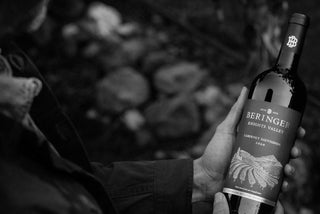

Few cuts of meat are as well-suited to a great Cabernet as rack of lamb. The meat is rich and aromatic, the fat renders beautifully under high heat, and fresh herbs bring a brightness that mirrors the herbal notes found in mountain-grown Cabernet Sauvignon. This recipe pairs with Beringer Knights Valley Cabernet Sauvignon — a wine grown on volcanic soils at elevation in Sonoma County's Knights Valley, where warm days and cool nights preserve both structure and freshness.
At a Glance
- Dish: Herb-crusted rack of lamb with red wine pan sauce
- Wine Pairing: Knights Valley Cabernet Sauvignon
- Serves: 2 to 4
- Total Time: ~45 minutes
- Skill Level: Intermediate
- Why It Works: Lamb's richness and herbal character mirror the Cabernet's dark fruit and mountain-grown structure; the red wine pan sauce ties the two together
Why This Pairing Works
Knights Valley sits at elevation in Sonoma County, just north of Calistoga. The volcanic soils and mountain terrain produce Cabernet Sauvignon with deep fruit concentration, natural acidity, and a savory, earthy edge that makes it an ideal companion for lamb.
The Dijon and herb crust — rosemary, thyme, garlic — picks up the same herbal and spice notes in the wine. The red wine pan sauce, built from the steak's fond and reduced with Cabernet and broth, pulls the whole pairing together into something cohesive. Every element on the plate finds a counterpart in the glass.
| Dish Element | What It Does for the Wine |
|---|---|
| Rack of lamb | Rich fat and protein soften tannins; amplifies dark fruit |
| Dijon mustard crust | Savory brightness that echoes the wine's structure |
| Rosemary and thyme | Herbal character that mirrors the Cab's mountain-grown notes |
| Garlic | Depth and warmth that complements the wine's earthy undertones |
| Red wine pan sauce | Ties the pairing together; the shared base wine unifies the flavors |
Herb-Crusted Rack of Lamb with Red Wine Sauce
Serves: 2 to 4
Total Time: ~45 minutes
Ingredients
For the Lamb
- 1 rack of lamb, frenched (about 8 ribs)
- 2 tbsp Dijon mustard
- 2 tbsp olive oil, plus more for searing
- 2 cloves garlic, minced
- 1 tbsp fresh rosemary, chopped
- 1 tbsp fresh thyme, chopped
- Salt and freshly cracked black pepper
For the Red Wine Sauce
- 1 cup Cabernet Sauvignon (use a second pour from the bottle you're serving)
- 1 cup beef or lamb broth
- 2 tbsp unsalted butter
- Salt and pepper to taste
Instructions
-
Preheat the Oven
Set your oven to 400°F. Have an oven-safe skillet ready — cast iron works well here. -
Make the Herb Paste
In a small bowl, combine Dijon mustard, olive oil, garlic, rosemary, and thyme. Mix until a cohesive paste forms. -
Season and Coat the Lamb
Pat the rack dry with paper towels, then season generously with salt and pepper. Rub the herb paste evenly over all surfaces of the lamb, pressing it gently to adhere. -
Sear the Lamb
Heat a drizzle of olive oil in an oven-safe skillet over medium-high heat until shimmering. Place the rack fat side down and sear for 2 to 3 minutes until deeply browned. Flip and sear the other side for another 2 minutes. -
Roast
Transfer the skillet to the preheated oven. Roast for 15 to 20 minutes for medium-rare, or until an instant-read thermometer inserted into the thickest part reads 130°F. Remove and transfer the lamb to a cutting board. Tent loosely with foil and rest for 10 minutes. Temperature will carry over to approximately 135°F. -
Build the Sauce
Return the skillet to medium heat. Pour in the wine and broth, scraping up any browned bits from the bottom of the pan. Simmer until the liquid reduces by about half, 5 to 7 minutes. Remove from heat, stir in butter until melted and glossy, and season with salt and pepper. -
Slice and Serve
Cut between the bones into individual chops. Arrange on a platter, spoon the sauce over the top, and serve alongside roasted vegetables or mashed potatoes.
Tip: Pull the lamb at 130°F, not 135°F. The residual heat during resting will bring it exactly to medium-rare. An instant-read thermometer is the most reliable guide you have.
Serving Tips
- Open the bottle 15 to 20 minutes before serving to let the wine open up
- For the sauce, use the same Cabernet you're pouring at the table — it creates a direct flavor bridge between the dish and the glass
- The herb paste can be made a day ahead and stored covered in the refrigerator; bring the lamb to room temperature for 20 minutes before searing
Frequently Asked Questions
What wine pairs best with rack of lamb?
Full-bodied red wines with firm tannins, dark fruit, and herbal character pair best with rack of lamb. Cabernet Sauvignon is the classic choice. Beringer Knights Valley Cabernet Sauvignon, grown on volcanic mountain soils in Sonoma County, works particularly well — its structure holds up to the richness of the meat while its herbal notes complement the rosemary and thyme crust.
What does "frenched" mean for a rack of lamb?
A frenched rack of lamb has had the meat and fat trimmed away from the rib bones, leaving them exposed. This makes the rack easier to carve into individual chops and gives the presentation a clean, elegant look. Most butchers will french a rack on request, and many grocery stores sell them already prepared.
Can I make the herb paste ahead of time?
Yes. The Dijon, olive oil, garlic, and herb mixture can be prepared up to 24 hours in advance and stored covered in the refrigerator. Apply it to the lamb and allow the meat to come to room temperature for 20 minutes before searing.
What is Knights Valley Cabernet Sauvignon?
Knights Valley is an American Viticultural Area (AVA) located in Sonoma County, California, just north of Calistoga in Napa Valley. The region is known for its volcanic soils, warm days, and cool evenings, which produce Cabernet Sauvignon with concentrated fruit, natural acidity, and a distinctive earthy, mountain-grown character. Beringer has farmed Knights Valley for decades and produces several wines from the appellation. Explore the full Knights Valley collection.
What internal temperature should rack of lamb reach?
For medium-rare, pull the rack from the oven at 130°F and allow it to rest, tented with foil, for 10 minutes. The temperature will carry over to approximately 135°F. For medium, pull at 140°F and rest to 145°F. A meat thermometer is essential for accuracy with this cut.
Looking for another bold red pairing? Try our Filet Mignon with Port Wine Reduction, paired with Beringer Private Reserve Cabernet Sauvignon.