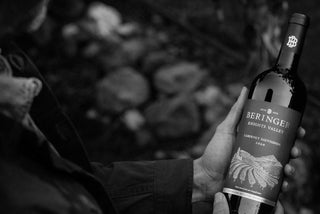

Some meals are worth the occasion. Pan-seared filet mignon with a glossy port wine reduction is one of them. The dish is elegant without being complicated, and it pairs beautifully with Beringer Private Reserve Cabernet Sauvignon — a wine that has defined Napa Valley Cabernet since its first vintage in 1977.
At a Glance
- Dish: Pan-seared filet mignon with port wine reduction
- Wine Pairing: Private Reserve Cabernet Sauvignon (97 points)
- Serves: 4
- Total Time: ~45 minutes
- Skill Level: Intermediate
- Why It Works: The reduction's sweetness and acidity balance the wine's firm tannins; the beef's fat and protein soften the Cabernet's structure and amplify its dark fruit
Why This Pairing Works
Filet mignon is one of the leanest cuts of beef, which means it relies on technique and sauce to carry the meal. The port wine reduction does both. Its concentrated sweetness mirrors the dark fruit in the Cabernet, while its acidity keeps the pairing from feeling heavy.
The Private Reserve Cabernet Sauvignon is sourced from Beringer's finest Napa Valley estate vineyards, including the historic To Kalon and Chabot blocks in St. Helena. It brings cassis, dark plum, baking spice, and well-integrated tannins that stand up to the richness of the sauce without overpowering the delicate cut of meat.
| Dish Element | What It Does for the Wine |
|---|---|
| Pan-seared filet mignon | Protein and fat soften tannins; amplifies dark fruit |
| Port wine reduction | Mirrors Cab's dark fruit; its acidity refreshes the palate |
| Shallots and garlic | Savory depth that echoes the wine's earthy undertones |
| Unsalted butter finish | Rounds out the sauce and matches the wine's silky texture |
| Fresh thyme garnish | Adds herbal lift that complements the Cab's spice notes |
Filet Mignon with Port Wine Reduction
Serves: 4
Total Time: ~45 minutes
Ingredients
For the Steaks
- 4 filet mignon steaks (6 to 8 oz each), about 1½ inches thick
- Salt and freshly cracked black pepper
- 2 tbsp olive oil
For the Port Wine Reduction
- 2 shallots, finely chopped
- 2 cloves garlic, minced
- 1 cup beef broth
- 1 cup port wine
- 2 tbsp unsalted butter
- Fresh thyme sprigs for garnish (optional)
Instructions
-
Preheat the Oven
Set your oven to 400°F. This two-step method — sear on the stovetop, finish in the oven — gives you a proper crust without overcooking the center. -
Season the Steaks
Pat the filets dry with a paper towel, then season generously on both sides with salt and freshly cracked black pepper. Dry steaks sear better and develop a deeper crust. -
Sear the Steaks
Heat olive oil in an oven-safe skillet over medium-high heat until shimmering. Add the filets and sear undisturbed for 2 to 3 minutes per side until deeply golden brown. Resist the urge to move them. -
Finish in the Oven
Transfer the skillet to the preheated oven. Roast for 5 to 7 minutes for medium-rare, or until the internal temperature reads 135°F on an instant-read thermometer. Transfer steaks to a plate and tent loosely with foil. Rest for at least 5 minutes before serving. -
Build the Reduction
Return the same skillet to medium heat. Add shallots and garlic and cook, stirring, for 2 to 3 minutes until softened. Pour in the port wine and beef broth, scraping up any browned bits from the bottom of the pan. Those bits are flavor. -
Reduce and Finish
Simmer until the liquid reduces by half, about 5 to 7 minutes. Remove from heat and stir in butter until melted and the sauce is glossy. Season to taste with salt and pepper. -
Plate and Serve
Place the rested filets on plates and spoon the port wine reduction generously over each. Garnish with fresh thyme if desired. Pour the Cabernet and let it breathe for a moment before the first sip.
Tip: Pull your steaks at 130°F if you prefer medium-rare — they will carry over to 135°F while resting under the foil. An instant-read thermometer is the most reliable tool you have.
SHOP PRIVATE RESERVE CABERNET SAUVIGNON
Serving Tips
- Open the bottle 20 to 30 minutes before serving to allow the wine to open up
- Serve the Cabernet at around 60 to 65°F for the best expression of its fruit and structure
- The port wine reduction can be made ahead and gently rewarmed over low heat before serving
- For a complete dinner, pair with roasted asparagus or a simple arugula salad dressed with lemon and olive oil
Frequently Asked Questions
What wine pairs best with filet mignon?
Full-bodied red wines with firm tannins pair best with filet mignon. Napa Valley Cabernet Sauvignon is the classic choice. The wine's tannins soften against the beef's protein and fat, and its dark fruit character complements both the meat and any rich sauce. Beringer Private Reserve Cabernet Sauvignon is one of the most decorated options in that category, with consistent scores of 97 points and above.
Can I make the port wine reduction ahead of time?
Yes. The reduction can be made up to two days in advance and stored covered in the refrigerator. Reheat gently over low heat and finish with a small knob of fresh butter right before serving to restore its glossy texture.
What internal temperature should filet mignon reach?
For medium-rare, pull the steaks from the oven at 130°F and allow them to rest, tented with foil, for 5 minutes. The temperature will rise to approximately 135°F during resting. For medium, pull at 140°F and rest to 145°F.
What does port wine add to a reduction sauce?
Port wine adds concentrated sweetness, fruit depth, and natural acidity to a pan sauce. When reduced, it creates a glossy, balanced sauce that complements the richness of red meat. It also mirrors the dark fruit notes in a well-structured Cabernet Sauvignon, making it an ideal pairing vehicle.
What makes Beringer Private Reserve Cabernet Sauvignon a good choice for cooking and pairing?
The Private Reserve Cabernet Sauvignon has been produced at Beringer since 1977, making it one of the longest-running luxury Cabernet programs in Napa Valley. It is sourced from the winery's top estate vineyards and consistently earns scores in the mid-to-high 90s. Its structure, depth, and dark fruit character make it both a serious pairing wine and the kind of bottle that elevates any occasion.